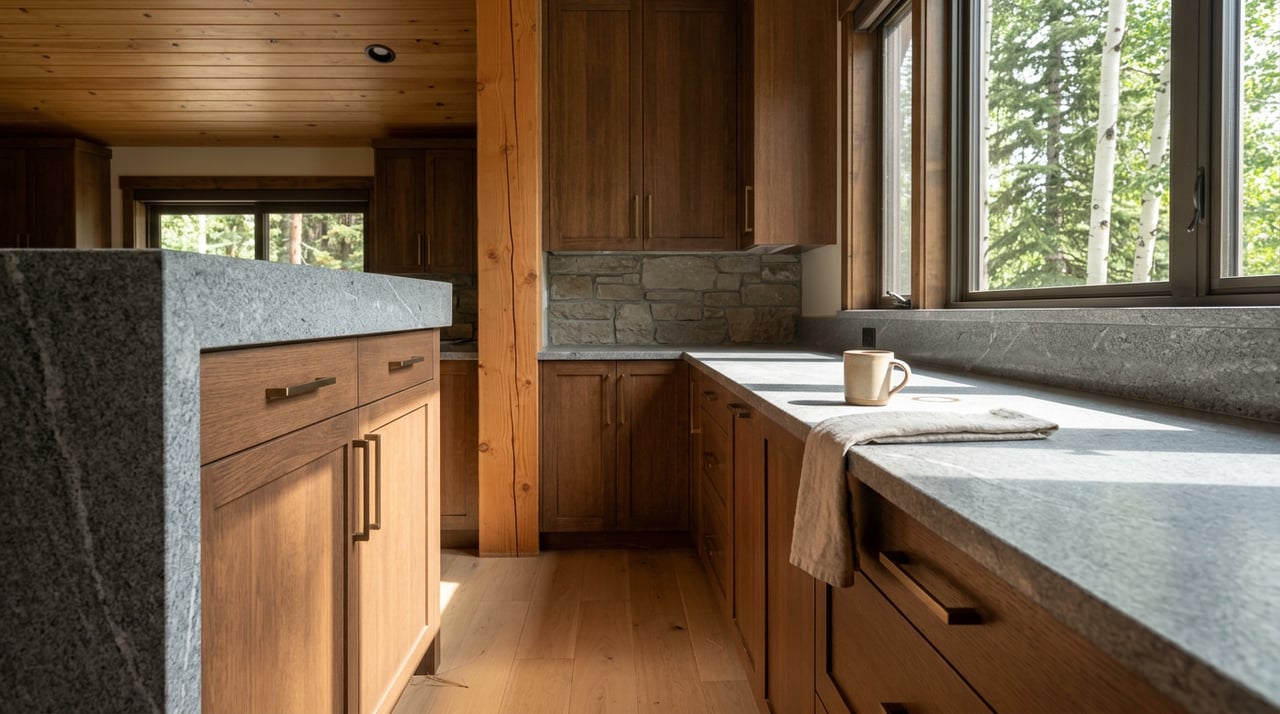
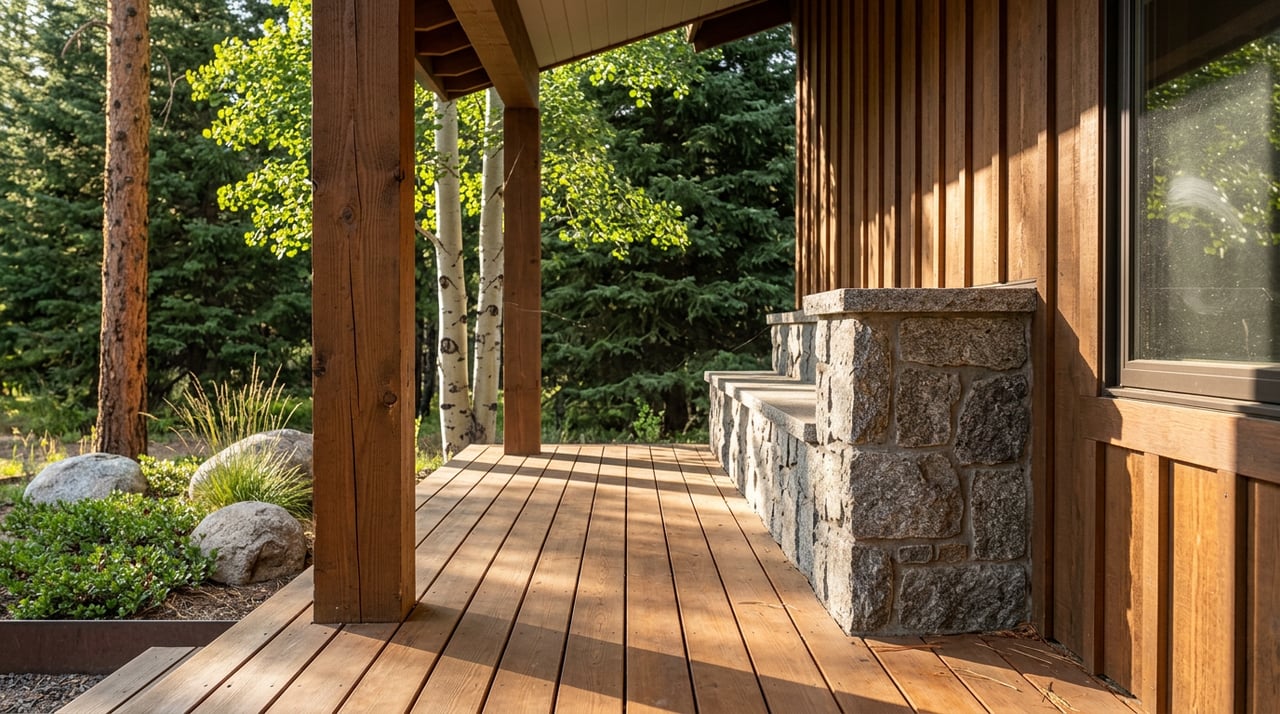
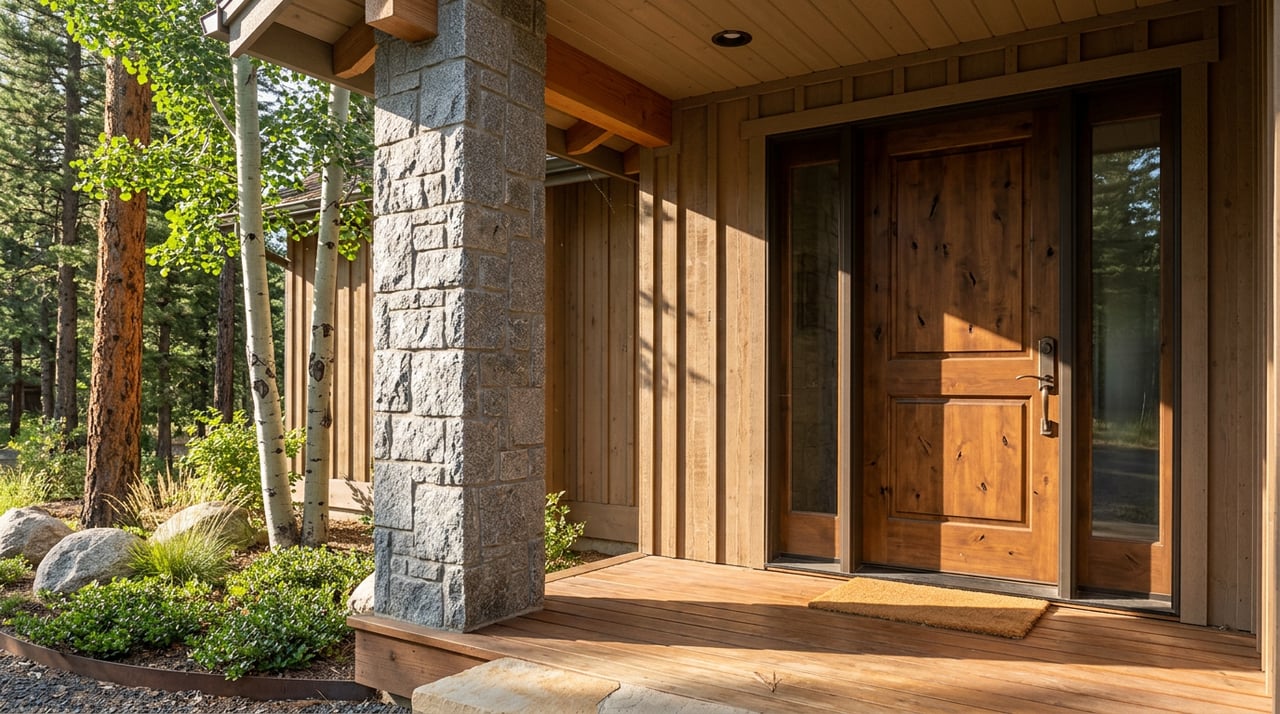
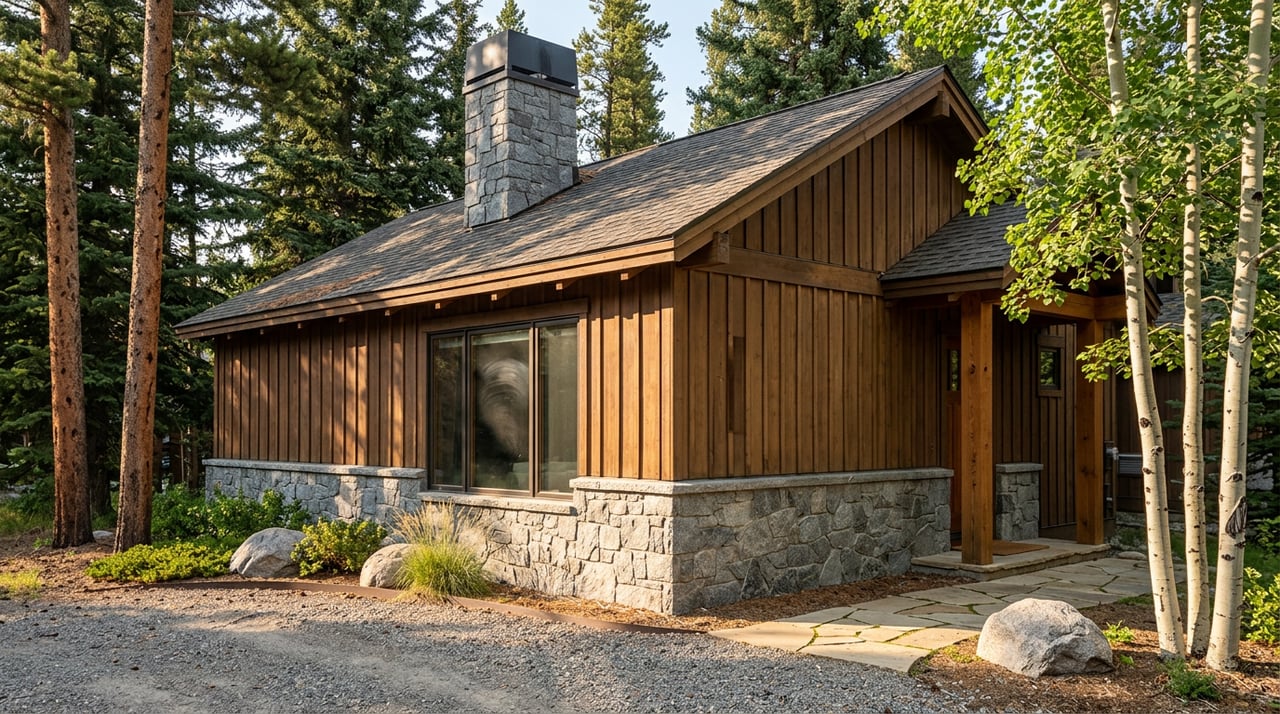
Coffee on the porch. Wide-open views. A little more space than you thought you could find.
That’s usually where the story starts in Parshall.
But out here, what matters most isn’t always what you see—it’s what’s behind the property. Access. Water. Use. The quiet details that shape whether a place works the way you expect it to.
If you understand those pieces early, you move forward with clarity instead of surprises.
Let’s walk through what actually matters.
Why Due Diligence Matters More in Parshall
Most properties around Parshall sit in unincorporated Grand County. That means county rules—not a town—shape what you can build, how you can use the land, and what approvals you may need.
Here, value isn’t just about acreage or views. It’s about:
- Whether you can legally use the property the way you want
- How you access it (year-round, not just in summer)
- Whether water, septic, and utilities are truly in place
In other words: the lifestyle only works if the logistics support it.
1. Start With Zoning and Legal Use
Before anything else, confirm what the property is actually allowed to be.
Parcels in this area can look flexible—but still come with real limitations.
What to verify:
- Permitted uses (residential, recreational, rental, etc.)
- Setbacks, height limits, and overlays
- Whether special use permits are required
Why this matters:
A property might feel like the perfect cabin site or STR—but county definitions may say otherwise.
Example buyers often miss:
- Private camping is only allowed on 35+ acre parcels
- Limited to 14 days within any 3-month period
- No utilities or permanent structures allowed
That’s a very different picture than “weekend escape land.”
2. Short-Term Rental Rules (If Income Is Part of the Plan)
If you’re even considering rental income—check this early.
In unincorporated Grand County:
- STR permit is required annually
- Max advertised occupancy: 16 people
- Requirements include:
- Local emergency contact
- Parking plan
- Bear-proof trash setup
- Liability insurance
- Possible fire inspection
The real takeaway:
Don’t underwrite a deal assuming STR income until you confirm eligibility.
3. Access Isn’t Just “Is There a Road?”
This is where things get real in Parshall.
A property can look accessible on a map—but function very differently in practice.
You need to confirm:
- Is the road county-maintained, state, or private?
- Is there a recorded easement?
- Who is responsible for maintenance and snow removal?
Winter changes everything:
- County plows prioritize keeping roads open, not perfect
- Private roads and driveways? That’s on the owner
If access isn’t reliable in January, it’s not reliable.
4. Water: The Question Behind the Question
Water is often the biggest variable—and the one buyers underestimate most.
Possible scenarios:
- District water
- Private well
- Shared well
- No established water source
If it’s a well:
- The permit defines what you can use it for
- Expanded use (gardens, animals, multiple dwellings) may require more review
- Approval is not guaranteed—and can take time
The mindset shift:
Don’t assume future water use. Verify what’s legally allowed today.
5. Septic and Sanitation
If you’re building or updating, this isn’t optional.
What to check:
- Existing septic system status
- OWTS (Onsite Wastewater Treatment System) permit
- Engineered design requirements
Key point:
You’ll need proof of legal water + legal sanitation before getting a building permit.
6. Utilities: Not Always Plug-and-Play
In rural Grand County, utilities are often parcel-specific.
Typical setup:
- Electricity: usually available
- Gas: natural gas in some areas, propane in others
- Internet: varies widely
- Water/sewer: often not centralized
Every property is its own system. Treat it that way.
7. Environmental Realities (That Affect Cost + Use)
This is where mountain property separates itself from city buying.
Wildfire + Fire Services
- Parshall is served by a volunteer fire district
- Mitigation and defensible space matter—for safety and insurance
Floodplain
- River-adjacent or low-lying parcels may require:
- Elevation standards
- Floodproofing
- Additional permits
Building Conditions
- 115 mph wind standards
- 30-inch frost depth
- Snow load requirements
These aren’t details—they shape design, timeline, and budget.
A Practical Offer-Stage Checklist
Before you move forward, confirm:
- Zoning + permitted use
- Legal access + recorded easements
- Road type + winter maintenance responsibility
- Water source + well permit details
- Septic status + OWTS documentation
- Utility availability
- Floodplain status
- Intended use (personal, rental, recreational, future build)
- Any required county/state approvals
If one of these is unclear, it’s worth slowing down.
The Part Most Buyers Miss (A Quick Reality Check)
Here’s the contrarian lens:
Most buyers focus on:
- Views
- Acreage
- Price
But in Parshall, those are often the least important factors early on.
The real drivers of long-term value:
- Reliable access
- Confirmed water + sanitation
- Clear, usable zoning
A “cheaper” parcel with uncertainty can cost more—in time, stress, and limitations—than a higher-priced property with clean fundamentals.
FAQs
What should you verify before buying land near Parshall?
Zoning, permitted use, access, water source, septic status, utilities, floodplain location, and road maintenance responsibility.
Can you camp on your own land around Parshall?
Only on parcels 35 acres or larger, limited to 14 days within any 3-month period, with no utilities or permanent structures.
Do you need a permit for a short-term rental?
Yes. An annual permit is required, along with safety, parking, and operational requirements.
How do you confirm road access?
Verify road type (county, state, or private), confirm recorded easements, and understand who maintains and plows it.
What water issues matter most?
Whether the property has legal water (district or well), and what the well permit actually allows you to do.
Why does floodplain research matter?
It can affect whether—and how—you can build, including elevation requirements and structural standards.
Final Thought
Parshall has a quiet kind of appeal.
More space. Fewer crowds. A slower pace that feels harder to find.
But the best purchases here aren’t the ones that look right at first glance—they’re the ones that hold up when you look closer.
If you want help walking through a property with that lens, that’s where we come in.