Buying a Lakefront Home in Grand Lake, Colorado: A Local's Guide
Coffee on the dock. Glassy water at sunrise.
If you’re dreaming about owning a lakefront home in Grand Lake, Colorado, you also want a clear path from wish list to closing day. Waterfront properties in Grand Lake come with a few extra considerations—from dock permits to winterization and insurance.
This guide walks through the essentials so you can approach the Grand Lake waterfront market with confidence.
Understanding the Three Lakes
Grand Lake sits within the Three Lakes system alongside Shadow Mountain Reservoir and Lake Granby, just outside Rocky Mountain National Park.
Each lake offers slightly different ownership setups, views, and access options. Buyers will find properties:
-
Directly on Grand Lake
-
Along Shadow Mountain Reservoir
-
Near Lake Granby, the largest of the three
Marinas and docks typically operate late spring through early fall, so plan around seasonal installation and removal if boating access is important after closing.
Types of Lakefront Property in Grand Lake
Not every “lakefront” listing offers the same type of access.
Private Lakefront Homes
Some homes sit directly on the shoreline and may include a private dock or older boathouse. These properties are limited and often command premium prices.
Before purchasing, confirm:
-
dock permits and approvals
-
shoreline rights
-
whether dock access transfers with the sale
Never assume dock rights automatically transfer with the home.
Homes With Shared Dock Access
Many properties in Grand Lake and along Shadow Mountain offer shared slips or association docks.
These setups typically involve:
-
HOA rules
-
marina agreements
-
annual dues or maintenance fees
Always review association documents to confirm guest policies, boat size limits, and transfer rules.
Near-Lake Homes With Access Rights
Some homes sit within walking distance of the water but do not directly touch the shoreline. In these cases, lake access may come through:
-
recorded easements
-
HOA waterfront parks
-
membership-based docks
Confirm whether access rights are deeded, leased, or permissive before making an offer.
Utilities and Systems to Check
Many lake homes in Grand County rely on private wells and septic systems rather than municipal sewer.
Before closing, confirm:
-
well production and permits
-
septic inspection history
-
winterization readiness
Mountain homes face freezing conditions, so plumbing protection and insulation are especially important.
Dock and Shoreline Regulations
Within the Town of Grand Lake, covered docks and boathouses may require special approvals and public hearings before construction permits are issued.
Shoreline work—such as docks, seawalls, or dredging—can also require authorization from the U.S. Army Corps of Engineers if it affects navigable waters.
Some shoreline areas along Shadow Mountain Reservoir are also influenced by U.S. Forest Service oversight, making it important to confirm regulations before planning improvements.
Seasonal Considerations for Lakefront Living
Living on the lake means embracing the changing rhythms of the mountains.
Key factors to plan for include:
-
a short boating season from late spring through early fall
-
snow and winter access challenges
-
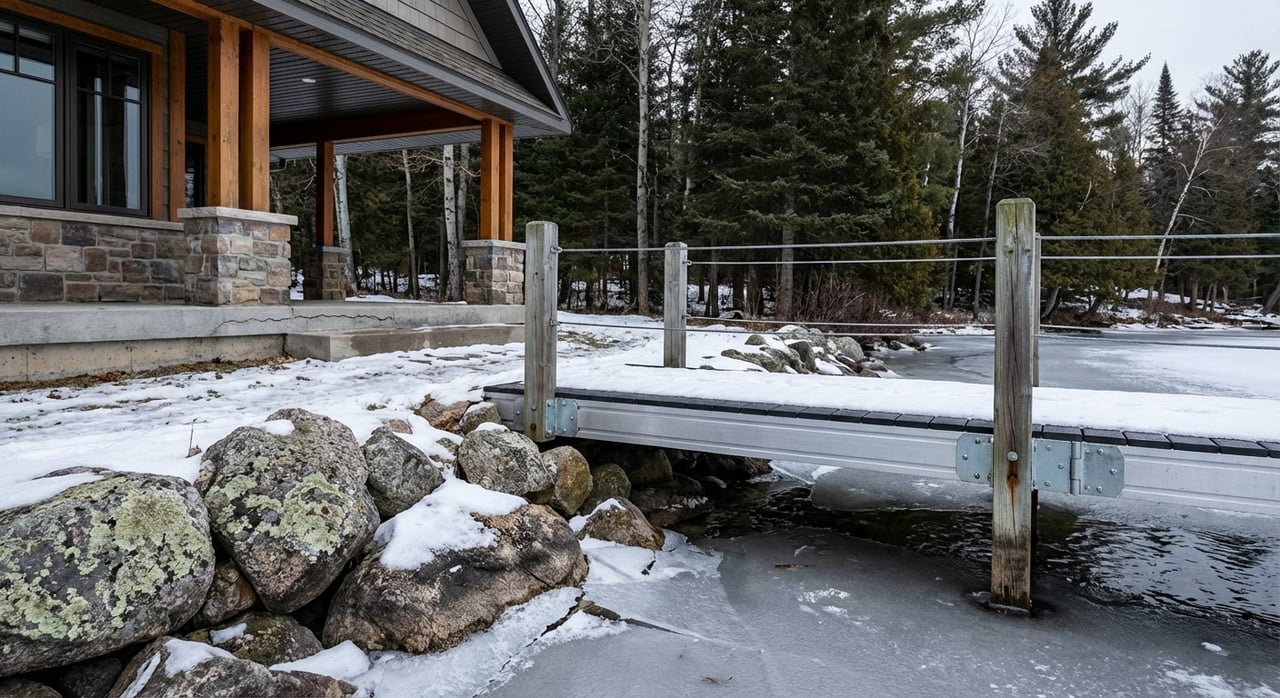
ice movement that can affect docks and shoreline structures
Many lake homeowners use removable docks or specialized materials designed for high-altitude conditions.
Insurance and Financing Basics
Flood Insurance
Standard homeowners insurance typically does not cover flood damage from rising water.
If the home is located in a flood zone, you may need NFIP or private flood insurance, and some policies require a 30-day waiting period before coverage begins.
Second Home Lending
Many lakefront homes in Grand Lake are financed as second homes or vacation properties, which often means:
-
higher credit requirements
-
larger down payments
-
documented reserves
Getting pre-approved early can strengthen your offer in a competitive market.
Buying a Lakefront Home: Quick Action Plan
-
Decide whether you want true lakefront, shared dock access, or near-lake property
-
Get pre-approved for second-home financing if applicable
-
Confirm dock permits and transfer rights
-
Review flood maps and insurance requirements
-
Inspect well and septic systems
-
Verify boating inspection requirements through Colorado Parks & Wildlife
Taking these steps early can make the buying process far smoother.
The Bottom Line
Owning a lakefront home in Grand Lake is about more than the view—it’s about understanding how shoreline rights, seasonal access, and mountain systems all work together.
With the right preparation and local guidance, the process becomes far less complicated—and that first summer on the dock becomes something you can truly enjoy.
If you’re considering buying a lakefront home in Grand Lake, Colorado, the team at RE/MAX Peak to Peak can help guide you through shoreline regulations, dock rights, and the unique details of the Three Lakes area.
FAQs
How do dock rights typically transfer in Grand Lake purchases?
Many docks or slips are controlled by permits or leases. Ask for copies of approvals, fee statements, and transfer requirements, and confirm with the Town before closing.
What should I know about flood insurance for Grand Lake waterfront?
Standard homeowners policies exclude flood. If maps show risk, price NFIP or private flood early because NFIP policies often have a 30-day wait before coverage starts.
What down payment do lenders expect for a second home in 80447?
Underwriting for vacation homes often requires higher credit standards and about 10 to 20 percent down or more depending on the program. Get a written pre-approval.
Who regulates shoreline work on Shadow Mountain Reservoir properties?
Local zoning and building rules apply, and some shoreline is under U.S. Forest Service management. Work in or over the water may also require U.S. Army Corps of Engineers authorization.
What are the boating season and inspection basics in Grand County?
Expect spring-to-fall marina operations and mandatory aquatic nuisance species inspections and stamps for many watercraft before launching.