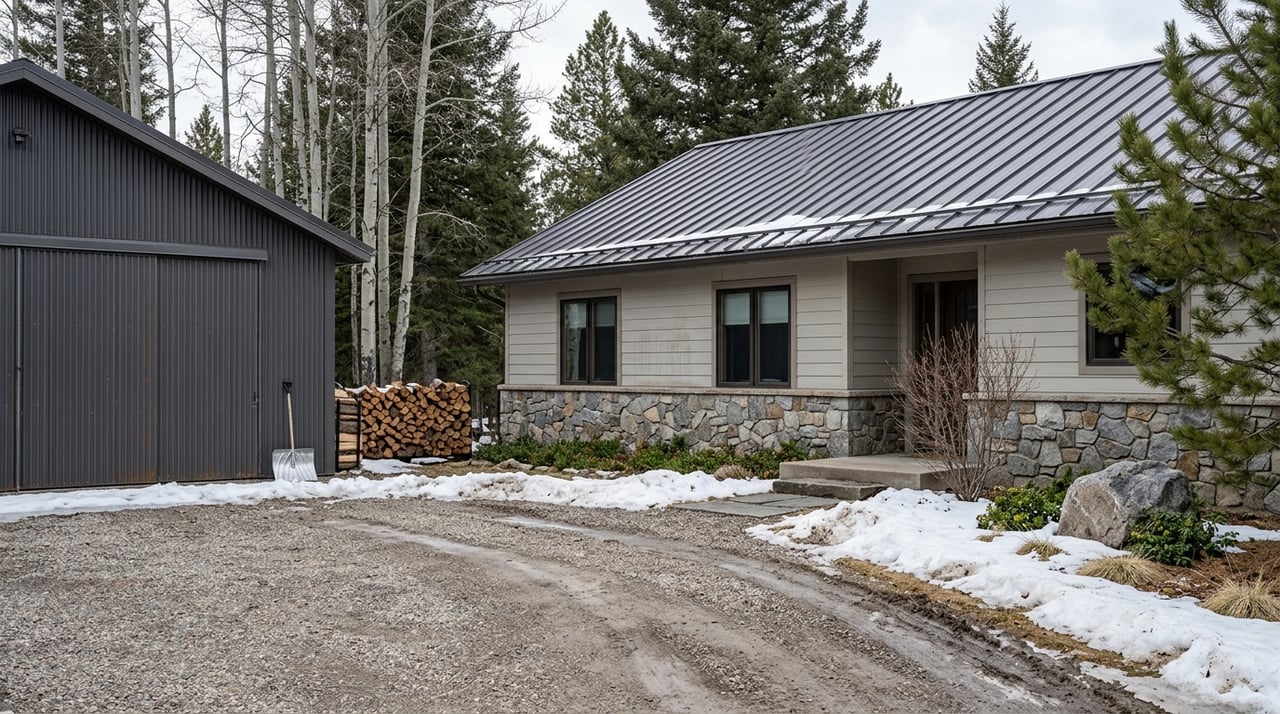
If the idea of owning acreage near Kremmling sounds like freedom, you are not wrong. You get big skies, room to spread out, and easy access to some of Grand County’s best outdoor recreation. At the same time, rural property comes with real day-to-day logistics that matter just as much as the view. This guide walks you through what daily life can look like, what systems to check, and what to plan for before you buy. Let’s dive in.
Why acreage near Kremmling appeals
Kremmling is a year-round mountain community with a strong outdoor identity. The town highlights activities like hiking, camping, fishing, boating, hunting, and motorsports, and the area sits at the junction of US 40 and Colorado Highway 9.
That location helps make Kremmling a practical base for people who want open space without feeling fully cut off. The Bureau of Land Management notes that Granby, Grand Lake, Silverthorne, and Steamboat Springs are each about an hour away, which gives you access to nearby services and recreation while still enjoying a more rural setting.
Daily life is more about planning
Owning acreage near Kremmling usually means trading quick convenience for more independence. On a larger rural property, your daily routine often depends on weather, road access, and private systems like wells, septic, or propane.
That does not mean life is harder. It means life works best when you think ahead about access, maintenance, and seasonal tasks. Buyers who enjoy being prepared often find that acreage ownership feels rewarding rather than overwhelming.
Kremmling weather shapes the year
NOAA climate normals for Kremmling show an annual mean temperature of 38.5 degrees, annual precipitation of 12.00 inches, and annual snowfall of 52.4 inches. January averages a high of 26.4 degrees and a low of minus 1.5 degrees, while July averages a high of 81.3 degrees and a low of 44.2 degrees.
Those numbers help explain why acreage ownership has a seasonal rhythm here. Winter can affect access and snow removal, spring and fall are common times for cleanup and repairs, and summer is often the main window for outdoor projects.
Winter access matters more than you think
In rural areas, the drive to your property can matter just as much as the property itself. Grand County Road & Bridge says plowing on county roads can begin at 6 a.m. on regular working days, and not every road will be reached right away, especially during extreme conditions or days without measurable snow.
If you are considering acreage near Kremmling, it is smart to understand whether access is via a county road, a private road, or an easement. That affects how snow removal may work and how much coordination or maintenance you may need to handle.
Road details to review
Before you buy, take a close look at:
- How you physically reach the parcel
- Whether the road is county maintained or privately maintained
- Driveway condition and grade
- Winter turnaround space for vehicles or equipment
- Any culvert or drainage features near the entrance
Grand County also issues driveway installation permits and right-of-way permits. If you plan to add or change a driveway, culvert, or related road feature, county coordination is usually part of the process.
Mud, cleanup, and outdoor work windows
Snow is only one part of the calendar. Acreage owners also need to think about spring thaw, summer project timing, and fall prep before winter returns.
Because outdoor work is easier in warmer months, many owners use summer for grading, fence work, exterior repairs, vegetation management, and outbuilding projects. Spring and fall often become the shoulder seasons for cleanup, equipment checks, and site maintenance.
Burn season and fire restrictions
If your acreage includes vegetation, slash, or tree debris, burn rules matter. Grand County’s large slash-pile burn season is winter-only and depends on favorable air quality and enough snowpack, typically running from late November through March.
The county also requires daily approval before lighting a burn pile. Rules can change when fire bans or red flag warnings are in effect, so this is not a set-it-and-forget-it task.
What that means for owners
A practical approach is to plan vegetation cleanup early and understand disposal options before winter. If burning is part of your long-term property management plan, make sure you know the county process and seasonal limits.
Water can vary by property
One of the biggest differences between in-town living and acreage ownership is water service. In Grand County, properties within Kremmling town limits are typically served by town water, while unincorporated properties may be served by water and sanitation districts or by private wells.
The county says proof of legal water and sanitation is required during building permit review and approval. That makes utility research a key part of due diligence, especially if you are buying land or a property with plans for future construction.
If the property uses a well
For private wells, the Colorado Division of Water Resources issues well permits. The state says complete applications may take up to 49 days to review, and permit files can include allowable uses and construction records.
That file is important because it helps you understand what the well is permitted to do. If you are buying acreage, reviewing the permit history and allowed uses can help avoid surprises later.
Colorado health officials also say private well owners are responsible for testing their own water. They recommend testing at least once a year.
Septic is its own process
On many unincorporated properties, wastewater service means an onsite wastewater treatment system, or OWTS. In Grand County, that requires a separate permit application, an engineered and stamped design by a Colorado registered professional engineer, and a declaration of covenants.
County staff also caution that a septic permit is not a guarantee that a system will work well on a specific parcel. That is an important reminder for land buyers, especially when a listing looks simple on paper but site conditions may be more complex.
Septic questions to ask early
If a property is or will be on septic, ask about:
- Existing permit records
- System age and type
- Engineer reports or design documents
- Whether the parcel has a current approved design for future construction
- Any known limits tied to site conditions
Power, gas, and utility planning
Grand County’s Local Utilities information says electricity is supplied to most parts of the county by Mountain Parks Electric. Natural gas is available in most parts of the county through Xcel Energy, while LP gas is available from local propane suppliers.
For acreage buyers, the big takeaway is simple: utility type is parcel-specific. Two properties with similar size and price may have very different setup costs or daily operating needs depending on power access, gas service, and water or sanitation systems.
What you can build or use land for
Acreage often sparks big ideas. Maybe you want a shop, barn, equipment storage, or room for agricultural use. In unincorporated Grand County, Planning and Zoning manages land use and reviews zoning, permitted uses, setbacks, height, lighting, landscaping, signs, and other development standards.
The zoning code includes definitions for agriculture buildings and riding stables. Even so, what is allowed depends on the exact parcel and zoning, not just the general idea of rural land.
Do not overlook lighting rules
Grand County applies dark-sky lighting requirements to new construction in unincorporated areas, including accessory buildings. If you picture a home, barn, shop, and yard lighting on acreage, this can affect your design choices from the start.
That is one reason land buyers benefit from reviewing the full build-out picture early. The house is only part of the conversation on a rural property.
Recreation is part of the lifestyle
One major draw of owning acreage near Kremmling is how close you are to public land and outdoor access. The Kremmling Recreation Management Area covers 377,900 acres and offers rafting, hunting, fishing, camping, watchable wildlife, scenic driving, equestrian use, and OHV use.
The town also describes Kremmling as a basecamp for an outdoor lifestyle and notes that it is less than an hour from several major ski resorts. If your goal is space plus access to the outdoors, this area delivers a lot of both.
Nearby services still matter
Even when you want privacy, everyday support matters. Middle Park Health’s Kremmling Campus is a rural critical access hospital with a 24/7 emergency department, family practice, and support services in Kremmling.
That does not turn acreage living into in-town convenience, but it does mean Kremmling offers a meaningful local service network. For many buyers, that balance of open land and practical support is part of the appeal.
A smart acreage checklist
Before you move forward on acreage near Kremmling, focus on the basics that shape daily life:
- Confirm road access and winter maintenance expectations
- Identify water source, whether town service, district service, or well
- Review well permit records and allowed uses if applicable
- Verify septic status, permit history, or future OWTS requirements
- Check utility providers and fuel type
- Review zoning, setbacks, and accessory building rules
- Ask about driveway permits, culverts, and right-of-way issues
- Learn the current burn rules and seasonal restrictions
When these details line up with your goals, acreage can feel exciting and manageable rather than uncertain.
If you are weighing acreage near Kremmling, local guidance can make a big difference. The right property is not just about views or acreage count. It is about how the land works for your lifestyle, your plans, and the realities of rural ownership. When you are ready to explore land, homes, or mountain property opportunities in Grand County, connect with RE/MAX Peak to Peak.
FAQs
What is daily life like on acreage near Kremmling?
- Daily life near Kremmling often means more space and outdoor access, along with more planning around weather, road conditions, and private property systems like wells, septic, or propane.
What weather should acreage owners expect near Kremmling?
- NOAA normals for Kremmling show about 52.4 inches of annual snowfall, cold winters, warm summer days, and a seasonal pattern that can affect access, maintenance, and project timing.
What should buyers know about wells on acreage in Grand County?
- In unincorporated areas, some properties use private wells, which require permits through the Colorado Division of Water Resources, and owners are responsible for regular water testing.
What should buyers know about septic systems near Kremmling?
- In unincorporated Grand County, septic systems require an OWTS permit, an engineered design, and other county documentation, and approval does not guarantee the system will perform well on every parcel.
What utilities are common on acreage near Kremmling?
- Depending on the parcel, you may see electricity through Mountain Parks Electric, natural gas in many parts of the county through Xcel Energy, or LP gas from local propane suppliers.
What county rules affect acreage use near Kremmling?
- Grand County reviews zoning, setbacks, height, lighting, landscaping, signs, and permitted uses in unincorporated areas, so the exact parcel determines what can be built or how the land can be used.
What outdoor recreation is available near Kremmling acreage?
- The area offers strong access to public land and recreation, including rafting, hunting, fishing, camping, equestrian use, OHV use, scenic driving, and other outdoor activities.