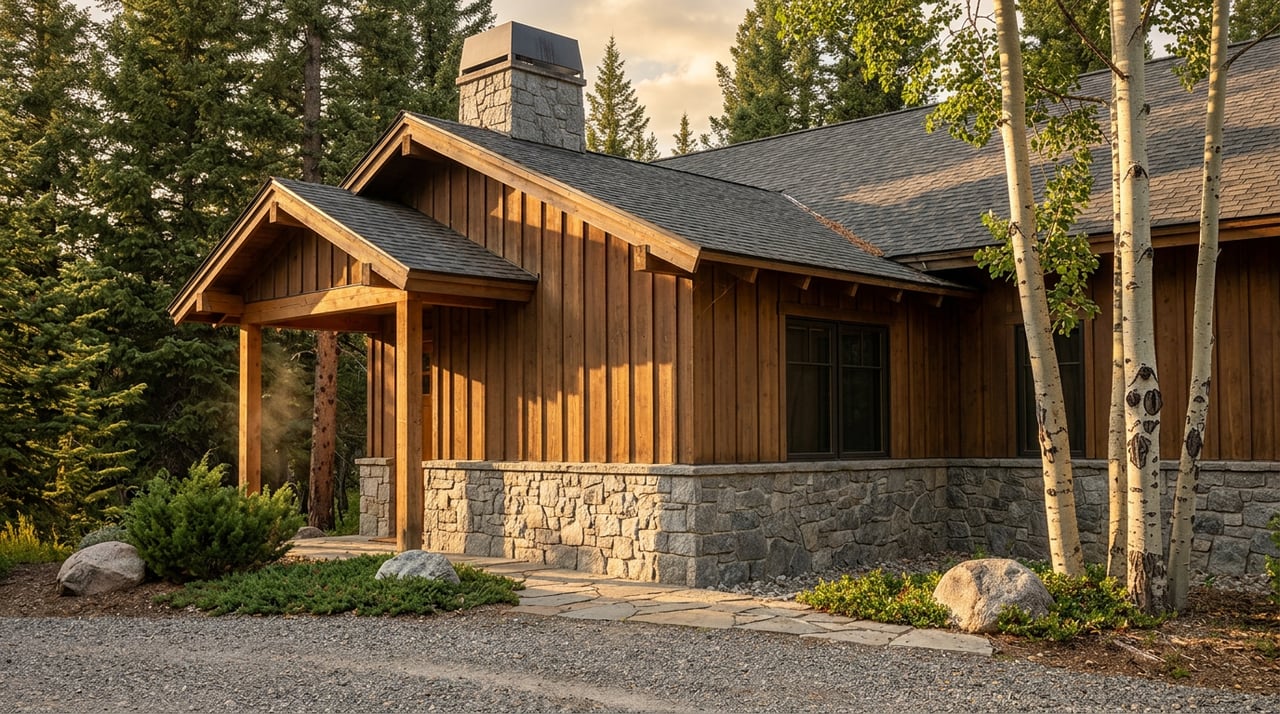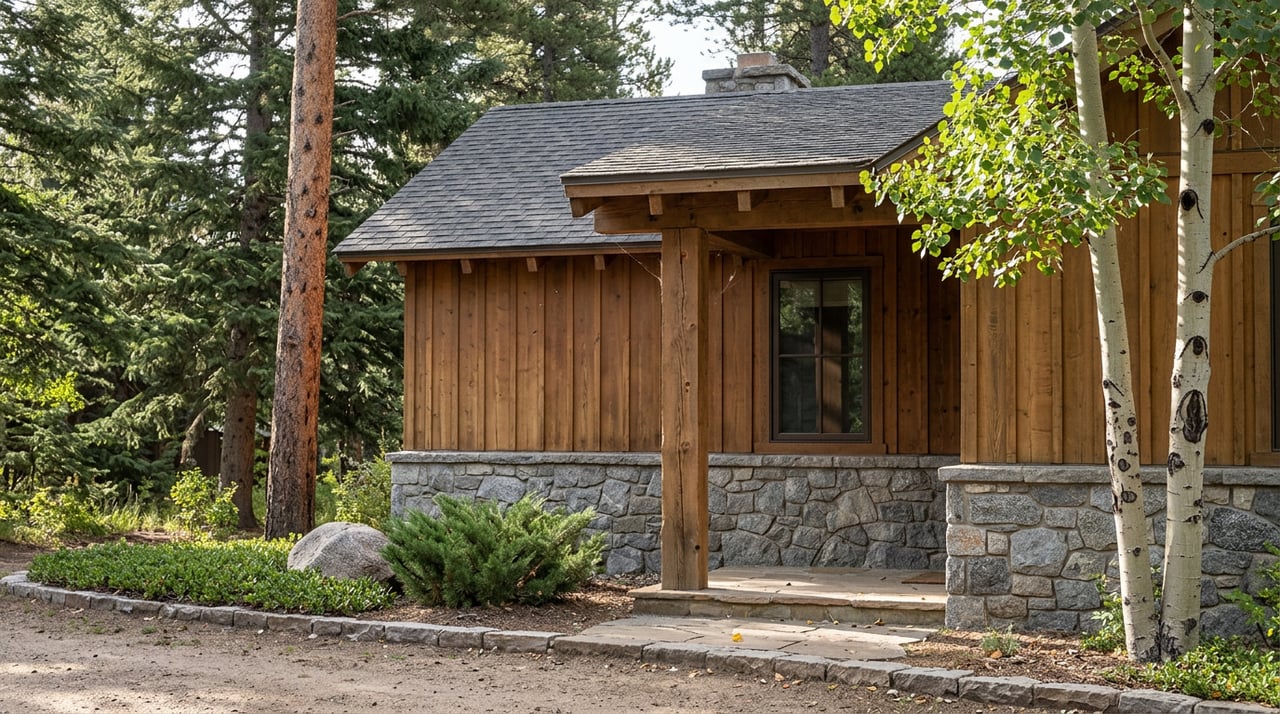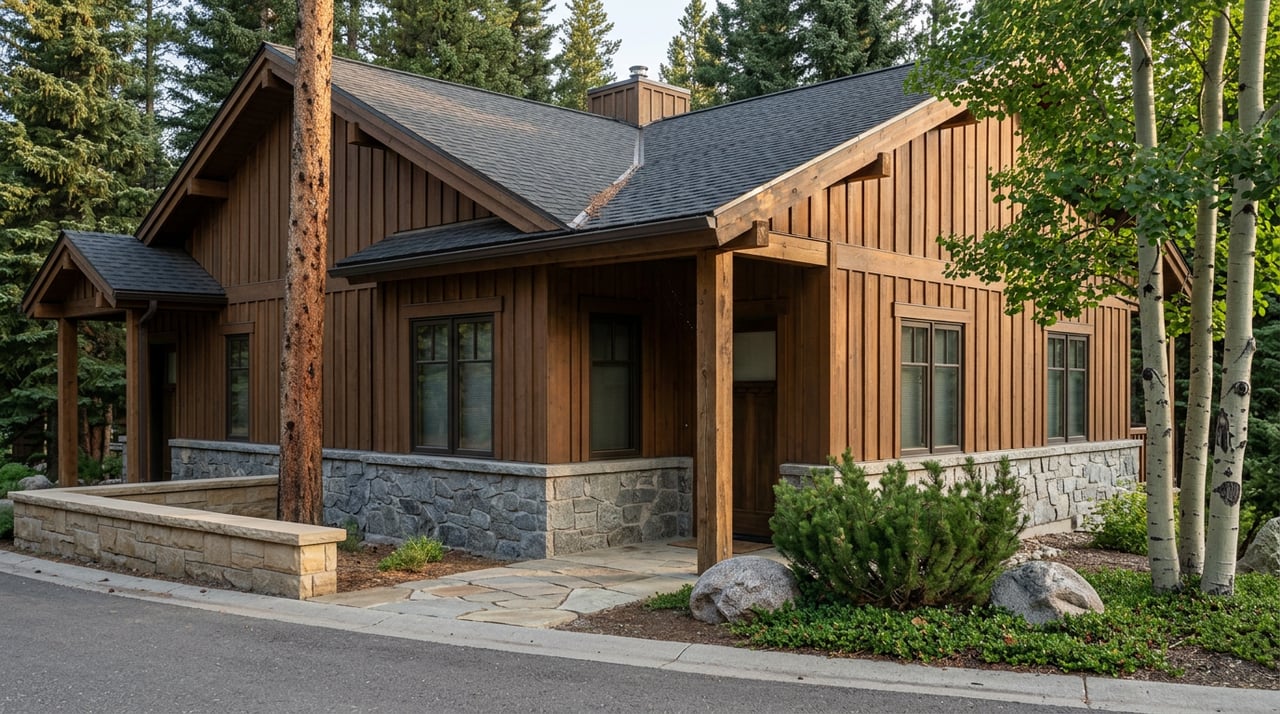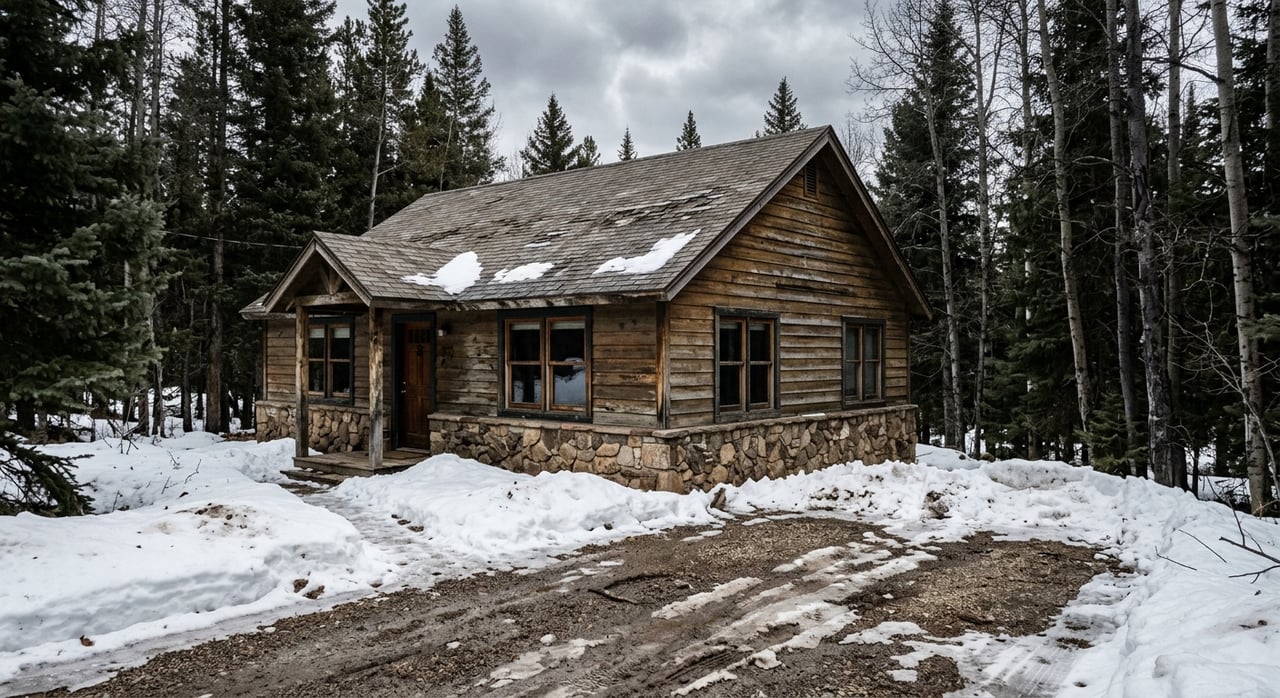
Buying a fixer-upper in Hot Sulphur Springs can look like a smart way to get into a tight mountain market, but only if you know what you are really buying. A home that seems like a cosmetic project can quickly turn into a roof, heating, water, or permitting project in Grand County’s climate. If you are weighing an older or dated property here, this guide will help you focus on the issues that matter most before you commit. Let’s dive in.
Why fixer-uppers draw interest here
Hot Sulphur Springs is a very small market, which can make older homes especially appealing when move-in-ready options are limited. The town has about 1,108 residents and 395 housing units, and Grand County has about 14,600 year-round residents spread across a large area. On busy recreation weekends, the county says population can climb past 35,000.
That matters because small markets can be thin markets. A few sales can shift pricing trends quickly, so you should avoid judging value based on one listing or one recent sale. In a place like Hot Sulphur Springs, a solid fixer-upper analysis depends on multiple comparable properties and a realistic renovation budget.
Current pricing also helps explain the appeal. As of May 2026, Realtor.com reported 27 homes for sale in ZIP code 80451 with a median listing price of $625,000, while Redfin reported a $634,000 median sale price over the prior three months and Zillow’s home value index was $514,004 as of February 28, 2026. Those numbers do not match exactly, but together they suggest that condition and finish level can have a big effect on value.
Start with the building shell
In Hot Sulphur Springs, the exterior of the home is not just about appearance. Snow, wind, freezing temperatures, and ice can turn small deferred-maintenance issues into expensive repairs. That is why your first look should be at the home’s roof, insulation, windows, siding, drainage, and overall weather protection.
Grand County’s design criteria call for a 115 mph wind speed, a 30-inch frost line, a winter design temperature of negative 16, and a roof ice-barrier membrane. NOAA data from nearby Kremmling shows average annual snowfall of 52.4 inches, with January and February bringing some of the snowiest conditions. In practical terms, roof wear, ice dams, attic insulation, and heating performance are major budget items, not side notes.
If a home needs envelope work, you should price that early. A fresh kitchen will not solve heat loss, roof leaks, or poor winter performance. In this market, buyers often respond more strongly to a home that feels durable and winter-ready than one with cosmetic updates alone.
Verify water, sanitation, and utility basics
Before you get too far into design ideas, confirm how the property is served. Grand County says proof of legal sanitation and proof of legal water are required during permit review. For properties inside Hot Sulphur Springs, town water is typical, but you still need to verify the specific property records.
If the home uses septic or an on-site wastewater treatment system, any related work may require separate permits and engineered design. If the property is outside town water service, you may also need to verify well records and, in some cases, a state well permit. These are not items to leave for later because utility questions can affect budget, timeline, and even whether your renovation plan is feasible.
Older fixer-uppers can also come with outdated electrical, plumbing, or heating systems. Those issues may not be obvious during a quick showing, but they can reshape the full cost of ownership. A contractor or inspector with mountain-property experience can help you distinguish between manageable upgrades and full system replacements.
Understand Grand County permit requirements
One of the biggest mistakes buyers make is assuming only major remodels need permits. In Grand County, a permit is required for essentially any construction, alteration, relocation, repair, change of use, or demolition. That broad standard means many projects you might think of as routine can trigger review.
This matters when you build your budget and schedule. Permit requirements can affect everything from replacing structural components to modifying systems or changing how space is used. If you are buying with plans to renovate quickly, it is wise to map out likely permit needs before closing so you are not surprised by delays or additional design work.
It is also important to confirm that any contractor you hire is properly registered with Grand County and carries the required liability and workers' compensation insurance. In a smaller market, contractor availability can be limited, and the best professionals are often booked well ahead.
Check indoor air and older-home risks
With older homes, the visible work is only part of the picture. Grand County Environmental Health notes that indoor air quality concerns can include radon, mold, asbestos, lead, and carbon monoxide. For a fixer-upper, those risks deserve early attention rather than an afterthought.
A standard home inspection may not give you the full picture on these issues. Depending on the age and condition of the property, you may want a more detailed testing plan so you understand what needs remediation before renovation begins. That can help you avoid spending on finishes before addressing health and safety concerns.
This step can also improve your resale position later. Buyers tend to feel more confident when a renovated home has addressed hidden issues, not just visible ones.
Look closely at flood and wildfire exposure
Lot conditions can be just as important as the house itself. Grand County says properties along rivers, streams, tributaries, and areas below or downstream from burn scars may face increased flood risk. The county also warns that spring runoff and weather events can substantially increase water flow.
That makes floodplain review an important part of fixer-upper due diligence, especially if the home sits near water or low-lying areas. A renovation budget can change quickly if drainage, elevation, or flood-related improvements become part of the plan. These factors can also affect future buyer interest and overall marketability.
Wildfire exposure matters too. Grand County’s guidance recommends 30 feet of defensible space near the home, along with broader fuel reduction around forested lots. If you are evaluating a property with dense vegetation, include cleanup and fire-hardening work in your cost estimate from the start.
Plan for seasonal timing and access
In the mountains, project timing is not just a convenience issue. It is a cost and logistics issue. US 40 is the key travel corridor through Grand County, and Colorado Department of Transportation updates show recurring construction projects with lane closures and delays in the area.
Winter conditions can add another layer of complexity. CDOT notes that winter mountain travel can be very challenging, and US 40 at Berthoud Pass has closed during avalanche danger and extreme weather. For a fixer-upper, that can affect inspections, material deliveries, contractor schedules, and your move-in timeline.
If you are buying a property that needs work, build extra time into your plan. A project that might move quickly in a metro area may take longer here simply because access, weather, and contractor schedules are different.
Expect tighter contractor capacity
Grand County has an active building community, but it is not a large one. The Grand County Builders Association lists 26 builder members and 31 associate members doing business in Grand and Routt counties. That local capacity is helpful, but it also means you should not assume instant availability.
For buyers, the practical takeaway is simple: line up bids early. Confirm registration, insurance, and realistic timelines before you finalize your renovation assumptions. In a smaller mountain market, the difference between a good investment and a frustrating one often comes down to whether you planned around contractor lead times.
Think about resale before you renovate
A fixer-upper can work well in Hot Sulphur Springs, but your exit strategy matters from day one. Realtor.com, Redfin, and Zillow data all point to a market where pricing is meaningful, but the transaction count is small. Redfin reported only three homes sold over the three months ending in May 2026, which is a reminder that this is not a high-volume market.
In thin markets, over-improving can be just as risky as under-improving. You want the finished home to compete well, but you also want the renovation to match what buyers in the area are likely to value. In many cases, that means prioritizing roof condition, weather protection, heating performance, water and sanitation compliance, and defensible space before luxury finishes.
Grand County’s recreation-driven demand supports interest from second-home and lifestyle buyers, which can be a plus for resale. But those buyers are often looking for a property that feels ready for mountain living. A home that solves the big practical issues is usually more compelling than one that only photographs well.
A smart fixer-upper checklist
Before you move forward on a dated home in Hot Sulphur Springs, keep this short checklist in mind:
- Compare several recent sales instead of relying on one data point
- Inspect the roof, insulation, windows, drainage, and heating system first
- Verify legal water and legal sanitation records early
- Ask whether septic, well, or utility upgrades may be needed
- Review likely permit requirements with Grand County
- Test or plan for radon, mold, asbestos, lead, and carbon monoxide concerns
- Check flood exposure, runoff patterns, and wildfire defensible-space needs
- Build extra time for weather, road delays, and contractor lead times
- Prioritize function and durability over cosmetic upgrades alone
A fixer-upper can create opportunity in a market with limited inventory, but only when you evaluate it through a mountain-market lens. In Hot Sulphur Springs, the best opportunities are often the homes where you can clearly define the scope, understand the permitting path, and improve the features that matter most in Grand County conditions.
If you want a local perspective on whether a property is a smart project, RE/MAX Peak to Peak can help you evaluate market fit, renovation risk, and resale potential in Grand County.
FAQs
What should you inspect first in a Hot Sulphur Springs fixer-upper?
- Start with the building shell, including the roof, insulation, windows, siding, drainage, and heating performance, because snow, wind, and freezing temperatures can make these issues costly.
Do remodels in Hot Sulphur Springs usually need permits?
- Yes. Grand County requires permits for essentially any construction, alteration, relocation, repair, change of use, or demolition.
How important are septic and water records for a Hot Sulphur Springs fixer-upper?
- They are very important because Grand County requires proof of legal sanitation and legal water during permit review, and some properties may need septic, OWTS, or well-related verification.
Are flood and wildfire risks a real concern in Hot Sulphur Springs?
- Yes. Properties near rivers, streams, tributaries, or burn-scar areas may face higher flood risk, and Grand County also recommends defensible space and fuel reduction for wildfire preparedness.
Why can fixer-upper timelines run longer in Grand County?
- Weather, winter travel conditions, US 40 delays, and limited local contractor capacity can all slow inspections, deliveries, and construction schedules.