RE/MAX Peak to Peak | Winter Park Ski Real Estate Guide
What Ski-In Ski-Out Means in Winter Park CO: Buyer's Guide (2026)
What it actually means, how to evaluate slope access levels, and how to choose the right resort condo or townhome in Winter Park.
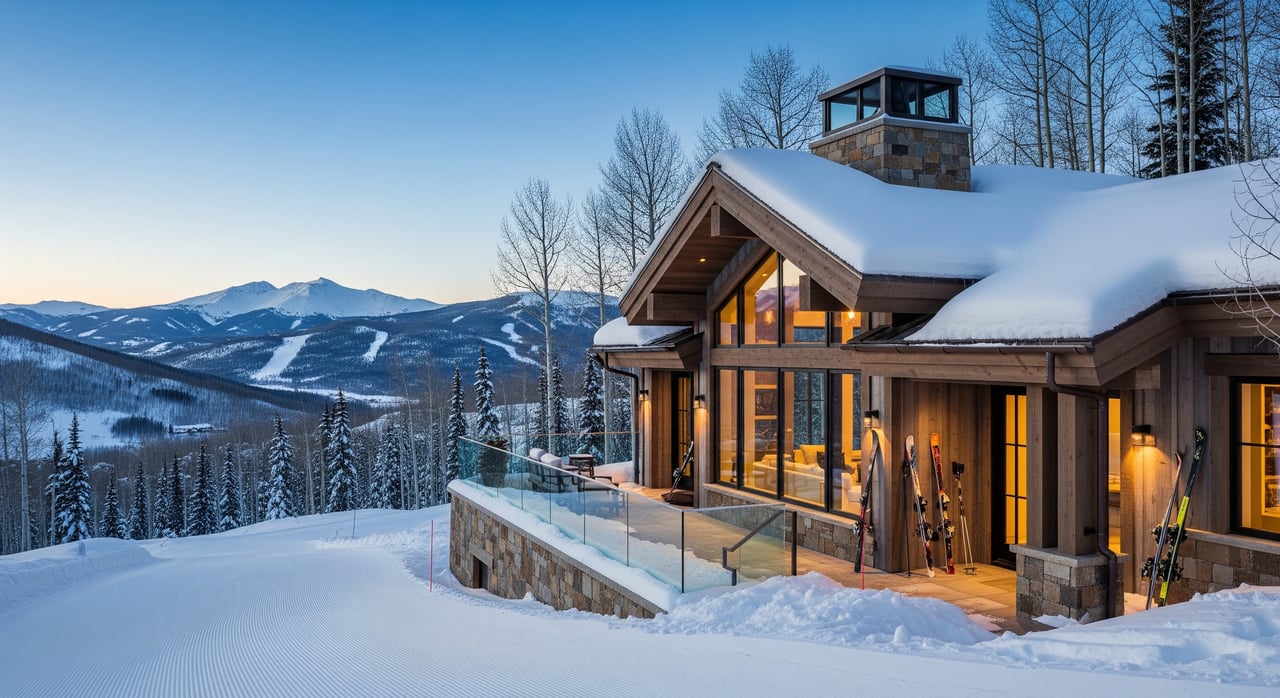
Ski-in ski-out is a marketing term, not a regulated standard. In Winter Park, CO, it refers to any property where you reach lift-served terrain without driving. In practice, access ranges from true doorstep slope access to 1-to-5-minute walks, shuttle service, or road crossings. True ski-in ski-out: stepping outside and clicking into skis with no parking lot or road in between: commands the highest valuation premiums and peak short-term rental performance.
Searching for Ski-Access Condos in Winter Park?
Browse active listings across Zephyr Mountain Lodge, Iron Horse Resort, Founders Pointe, and surrounding resort village properties with RE/MAX Peak to Peak.
The 5 Types of Ski Access in Winter Park
Access Category | What It Means in Practice | Primary Buyer & Investor Consideration |
|---|---|---|
True Ski-In / Ski-Out | Step outside, click in, ski directly to run/lift. No road, lot, or walk. | Highest purchase price: maximum rental yield & resale liquidity. |
Short Walk (1 to 5 Min) | Close to slopes but not on-slope. May involve stairs, plaza, or footbridge. | Highly convenient: lower acquisition cost than true ski-in/out. |
Ski-To Only | Direct ski return at end of day, but morning requires a short walk to lift. | Great afternoon convenience: slightly discounted entry price. |
Shuttle-Served | Free Lift bus stop outside building connecting directly to resort base. | Convenient for non-drivers: not true ski-in/ski-out. |
Road / Lot Crossing | Requires crossing public road or parking lot while carrying gear to reach lift. | Often marketed as ski access: buyers discount due to icy crossings. |
Thinking About Buying Ski-In Ski-Out in Winter Park?
It sounds simple: click into your skis, slide down to the Gondola, and start your ski day. Done. However, in Winter Park, "ski-in ski-out" covers a wide spectrum of physical layouts, and not all properties deliver the same experience.
When comparing condominiums or townhomes near Winter Park Resort, understanding the distinction between true doorstep access, walkable access, and shuttle access is essential to matching your lifestyle and investment goals.
What "Ski-In Ski-Out" Really Means in Winter Park
Is Ski-In Ski-Out a Defined Standard?
No. "Ski-in ski-out" is an industry marketing term rather than a regulated zoning definition. In practice, it means reaching lift-served terrain without getting into a car. However, the experience ranges from stepping off a private slope-facing deck to walking 400 feet across a snow-covered pedestrian plaza. Listings may also use terms like "ski access" or "close to slopes," which can be vague or misleading without a ground-level inspection.
Why Location Inside Winter Park Resort Matters
Winter Park Resort is not a single, centralized base. It spans 3,081 acres across seven territories, including The Village at Winter Park, Mary Jane, Vasquez Ridge, Parsenn Bowl, Eagle Wind, The Cirque, and Territory 7. Therefore, when evaluating a listing, the key question is: ski-in ski-out to which lift, and via what terrain?
How Far Is "Close Enough"? Distance Thresholds
A practical way to categorize distance from your door or locker to the nearest lift:
0 Feet: True ski-in ski-out (doorstep slope access).
0 to 200 Feet: Immediate, highly convenient slope access.
200 to 500 Feet: Short walk, still very manageable carrying skis.
500+ Feet or Shuttle: Walkable/Shuttle access (no longer feels like true ski-in ski-out).
What Actually Matters When Comparing Ski Properties
1. The Real Route, Not the Listing Description
Always verify the exact physical path from the ski locker or door to the lift. Are there stairs, elevation climbs, or icy street crossings? Is the path groomed by the resort or simply packed by foot traffic? Evaluate the access route in winter conditions whenever possible.
2. Ski Storage and Boot Setup
Your daily ski experience is made or broken in the locker room. Look for private ski lockers located on the ground floor near resort exits, boot-warming dryers, secure equipment storage, and seamless flow directly onto the snow.
3. Building Logistics
Pay close attention to elevator capacity and speed, covered heated parking versus surface lots, snow clearance protocols, and building entry points during heavy winter storms.
4. In-Unit Livability
Ski properties function differently from traditional suburban homes. Prioritize dedicated mudrooms with heavy-duty coat hooks, in-unit laundry for wet gear, and flexible floor plans that accommodate groups or vacation rental guests.
5. HOA and Rental Rules
HOA terms vary widely across resort complexes. Review short-term rental rules, required on-site property management programs, monthly HOA dues (and what utilities/maintenance they cover), and reserve fund health. Slope-side buildings often experience higher wear and tear, reflecting in HOA dues.
Does Ski-In Ski-Out Actually Increase Property Value?
Yes, significantly. In Winter Park, true ski-in ski-out properties command a premium driven by strong buyer demand and superior peak-season rental performance. However, long-term appreciation and rental yields also depend on layout, view corridors, building construction quality, and HOA governance.
Trade-Offs Most Ski-Access Buyers Overlook
When purchasing ski-access real estate, buyers balance several key trade-offs:
Convenience vs. Village Noise: Slope-side units near main lifts experience vibrant pedestrian and groomer activity, whereas units tucked slightly back offer quieter evenings.
Direct Access vs. HOA Dues: True ski-in ski-out complexes frequently carry higher HOA dues to maintain heated walkways, elevator systems, and slope-side amenities.
Rental Revenue vs. Personal Comfort: Prime resort village units generate top rental income during peak ski weeks but may offer smaller footprints than homes located 5 minutes away in Fraser.
How to Verify a Ski-In Ski-Out Listing Claim
Before submitting a purchase offer on a ski-access property:
1. Request a mapped video walkthrough showing the exact route from the unit door to the lift line.
2. Ask for winter photos verifying the snow cover and grooming status of the access trail.
3. Review HOA CC&Rs for ski locker allocations, short-term rental permits, and noise policies.
4. Confirm which specific lift (e.g., Gondola One, Super Gauge Express, Comet) serves the building.
5. Consult a local RE/MAX Peak to Peak broker who knows the building's historical performance.
Which Type of Ski Access Is Right for You?
Choose True Ski-In Ski-Out If You:
Desire maximum slope convenience, want to maximize short-term rental revenue during peak winter weeks, and are comfortable paying a premium purchase price.
Choose Walkable Access If You:
Want strong resort proximity without top-tier pricing, do not mind a 2-minute walk carrying gear across a plaza, and value a wider selection of building layouts.
Choose Shuttle or Nearby If You:
Prioritize larger square footage, garage parking, or lower HOA dues, and plan to utilize the free Lift ski bus for hassle-free resort transit.
Work With Local Ski Property Experts Before Buying
The biggest mistake buyers make is assuming all "ski-in ski-out" listings offer the same level of access. At RE/MAX Peak to Peak, led by Broker/Owner John Sanderson, our team lives and works in Winter Park. We know the exact access routes, HOA structures, and rental performance for every condo building and townhome community across Winter Park Resort.
Contact RE/MAX Peak to Peak at (970) 726-5700 or visit our office at 78491 US Highway 40 in Winter Park for expert ski property guidance.
Read More Grand County Real Estate Guides
Explore in-depth guides covering every aspect of mountain property ownership in Grand County.
Browse active ski-access condos at Zephyr Mountain Lodge, Iron Horse, and Founders Pointe.
Vacation Rental Investment Guide
Short-term rental rules, HOA restrictions, and occupancy factors for Winter Park investors.
Winter Park Neighborhood Guide
Elevation, ZIP code, market statistics, and complete resort town overview.
5 miles northwest: same ski access with lower entry prices and year-round community feel.
Grand County Market Report (2026)
Current median prices, inventory trends, and market velocity across Grand County.
Denver Second Home Buyer's Guide
Drive times, mountain financing, and weekend getaway logistics from the Front Range.
Ready to Find Your Ski-Access Home in Winter Park?
Connect with John Sanderson and RE/MAX Peak to Peak for ground-level walkthroughs and off-market ski condo listings in Winter Park.
Frequently Asked Questions About Winter Park Ski Properties
What is true ski-in ski-out in Winter Park?
True ski-in ski-out means stepping outside your building, putting on skis, and accessing a groomed run or lift without walking across a road, parking lot, or plaza. This is the premier access category and commands the highest prices and rental rates.
Are all ski-in ski-out properties the same?
No. "Ski-in ski-out" is a marketing term. Access in Winter Park ranges from true doorstep slope connection to a 1-to-5-minute walk, shuttle service, or road crossing. True ski-in ski-out is meaningfully different from properties requiring a walk across a parking lot.
Is a short walk still considered ski-in ski-out?
Properties under 200 feet from slopes are generally accepted as ski-in ski-out. Walkable access between 200 and 500 feet, or across a plaza, is categorized as "ski access" or "walkable access" rather than true ski-in ski-out.
Do ski-in ski-out properties rent better?
Generally yes. Direct slope access drives higher winter occupancy and premium nightly rates in the Winter Park vacation rental market, though performance also depends on building amenities and HOA rental policies.
What should I check before buying a ski-in ski-out condo?
Verify the exact route from unit to lift, inspect ski locker facilities, review HOA documents for short-term rental permissions and reserve fund health, and visit during peak winter conditions.
Sources & References: Winter Park Resort Official Trail & Lift Maps 2026; Grand County Assessor Property Records; RE/MAX Peak to Peak Ski Condo Market Logs.