RE/MAX Peak to Peak | Kremmling Real Estate Advisory
Why Kremmling CO Appeals to Ranch & Acreage Buyers (2026 Guide)
An in-depth guide to purchasing agricultural land, mountain acreage, water rights, and riverfront ranch property in Kremmling, Colorado.
Kremmling, Colorado (ZIP 80459, elevation 7,313 feet) is known as the "Sportsman's Paradise" of Grand County. Positioned at the confluence of the Colorado River, the Blue River, and Muddy Creek, Kremmling attracts land, ranch, and equestrian buyers seeking expansive acreage, senior water rights, unencumbered mountain views, and proximity to public BLM and National Forest lands at a significantly lower per-acre cost than eastern Grand County resort hubs.
Exploring Land, Ranches or Equestrian Acreage in Kremmling?
Whether evaluating adjudicated water rights, well permits, agricultural tax status, or river frontage, RE/MAX Peak to Peak provides expert land advisory.
Kremmling Acreage & Ranch Property Snapshot Matrix
Property Type | Typical Acreage & Price Range | Key Features & Infrastructure |
|---|---|---|
Mountain Homesteads | 5 to 35 Acres | $450,000 - $1,200,000 | Single-family homes, outbuildings, domestic well, septic, panoramic views |
Riverfront & Sporting Ranches | 20 to 200+ Acres | $1,200,000 - $3,500,000+ | Colorado or Blue River frontage, private fly fishing waters, wildlife corridors |
Agricultural & Cattle Ranches | 100 to 1,000+ Acres | $2,000,000 - $8,000,000+ | Adjudicated ditch rights, hay meadows, grazing leases, barns & corrals |
Why Ranch Buyers Focus on Kremmling, Colorado
While eastern Grand County towns like Winter Park and Fraser center around resort ski access, Kremmling offers a different mountain lifestyle: vast open landscapes, working ranches, agricultural traditions, and uncrowded wilderness.
Situated in the western portion of Grand County where the valley floor widens, Kremmling provides sprawling acreage parcels that are increasingly rare along the I-70 or Highway 40 corridors. Land buyers are drawn to Kremmling for its authentic Western heritage, lower per-acre land costs, and exceptional outdoor recreation.
Comparing Land & Acreage Categories in Kremmling
Working Cattle Ranches & Agricultural Land
Large ranch properties in Kremmling often include irrigated hay meadows, livestock corrals, multiple barns, and senior ditch rights. Many ranches benefit from agricultural tax status, significantly reducing annual real estate property tax burdens.
Mountain Homesteads & Private Acreage Parcels
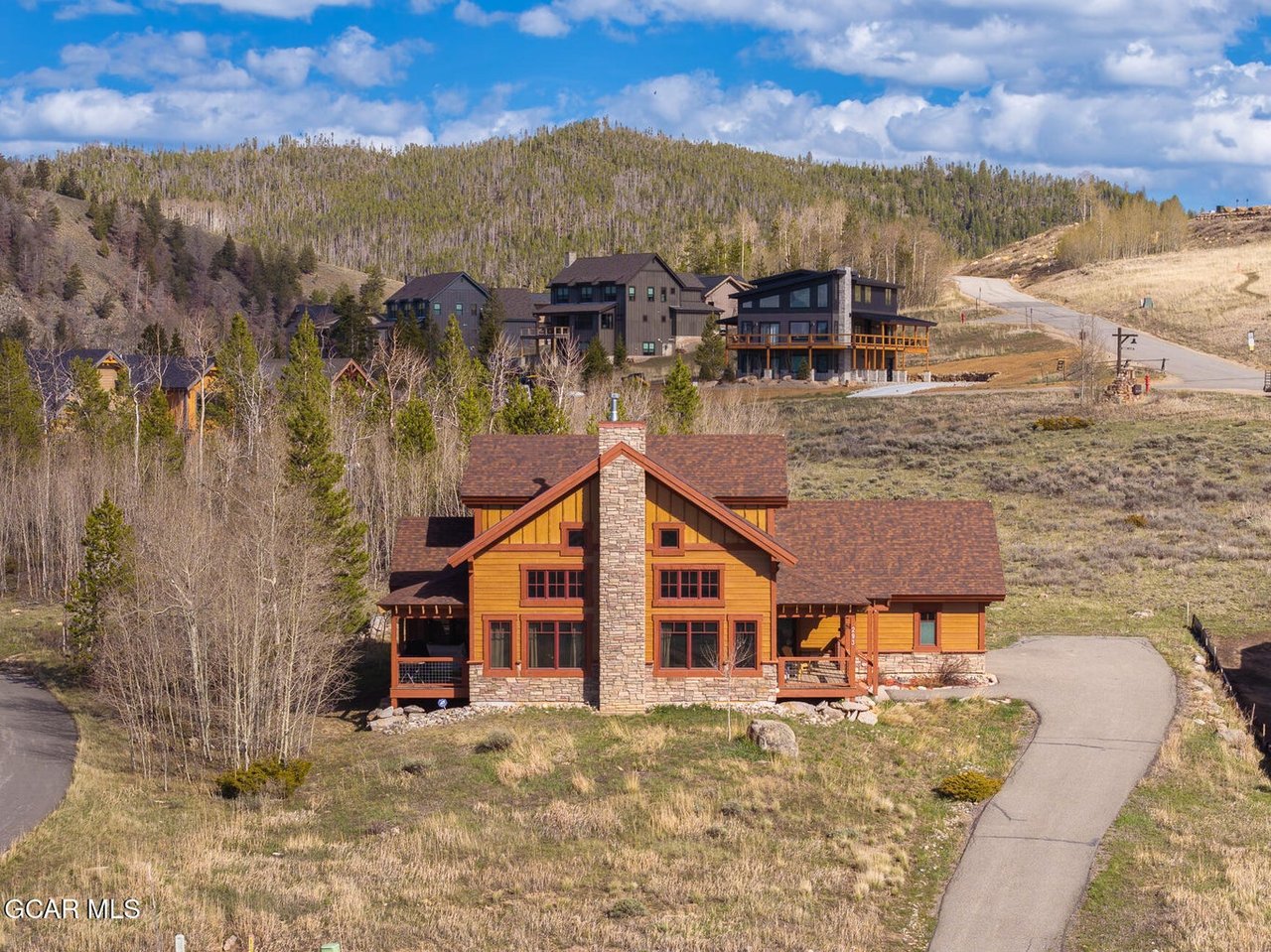
For buyers seeking 5 to 35 acres to build a custom mountain retreat or equestrian property, subdivisions around Kremmling offer private building envelopes, underground power, and sweeping vistas of Gore Pass and the Williams Fork Range.
Riverfront & Fly Fishing Acreage
Properties along the Colorado River, the Blue River, or Muddy Creek command premium interest from anglers and outdoor enthusiasts. Direct private water frontage provides world-class trout fishing right outside your backdoor.
Water Rights, Wells & Irrigation Logistics
When purchasing land or ranches in Colorado, understanding water rights is paramount. In Kremmling, water considerations fall into two primary categories:
Domestic & Stock Wells: Parcels over 35 acres in Colorado qualify for domestic well permits allowing household use, watering livestock, and irrigating up to one acre of lawn/garden.
Adjudicated Surface Rights: Agricultural ranches depend on decree water rights, ditch shares, and historical priority dates for hay production and pasture irrigation.
Access to Public Lands & Outdoor Recreation
Kremmling is surrounded by hundreds of thousands of acres of public land managed by the Bureau of Land Management (BLM) and the U.S. Forest Service. Properties bordering public lands offer direct, private access to big-game hunting (GMU 15, 18, and 28), horseback riding, snowmobiling, and off-road trail systems.
Practical Strategy Checklist for Kremmling Land Buyers
1. Verify Water Rights & Well Permit Status with the Colorado Division of Water Resources.
2. Audit Soil Reports & Engineered Septic Requirements for building envelopes.
3. Confirm Property Tax Classification (Ag vs. Residential Land).
4. Inspect Boundary Surveys, Fencing, and Public Land Access Easements.
Local Market Leadership: RE/MAX Peak to Peak
RE/MAX Peak to Peak is the premier real estate authority across Kremmling, Granby, Fraser, and Winter Park. Led by Broker/Owner John Sanderson, our team brings specialized knowledge in ranch transactions, water rights analysis, agricultural zoning, and land due diligence throughout Grand County.
Contact RE/MAX Peak to Peak today at (970) 726-7000 or visit our main office at 78491 US Highway 40 in Winter Park for personalized land and ranch advisory.
Read More Grand County Real Estate Guides
Explore in-depth guides covering every aspect of mountain property ownership in Grand County.
Detailed overview of Kremmling real estate, local amenities, and Western mountain living.
Granby CO Neighborhood GuideGranby Ranch ski & golf homes, Lake Granby, and acreage properties.
Tabernash CO Real Estate GuidePole Creek Golf Club, Devil's Thumb Ranch, and custom mountain acreage homes.
Denver Second Home Buyer's GuideDrive-time realities, mountain financing, and weekend getaway logistics.
Ready to Explore Land & Ranches in Kremmling?
Partner with John Sanderson and RE/MAX Peak to Peak to evaluate acreage, water rights, and ranch properties in Kremmling, CO.
Frequently Asked Questions About Kremmling Land & Ranches
Why is land in Kremmling more affordable than eastern Grand County?
Kremmling is located farther west from Front Range ski traffic, offering a traditional agricultural and sporting lifestyle rather than resort-adjacent condo density, resulting in lower per-acre prices.
What size lot do I need in Colorado to get a domestic well permit?
In Colorado, parcels of 35 acres or greater automatically qualify for a domestic well permit, allowing household water use, domestic livestock watering, and up to one acre of irrigation.
How does agricultural tax status work in Kremmling?
Properties used primarily for agricultural production (haying, cattle grazing) qualify for agricultural land valuation, resulting in significantly lower property tax rates compared to residential acreage.
Sources & References: Colorado Division of Water Resources Well Permit Records; Grand County Assessor Agricultural Land Guidelines; BLM Kremmling Field Office Maps.